Last Updated: March 2026 by Sarah Tillman
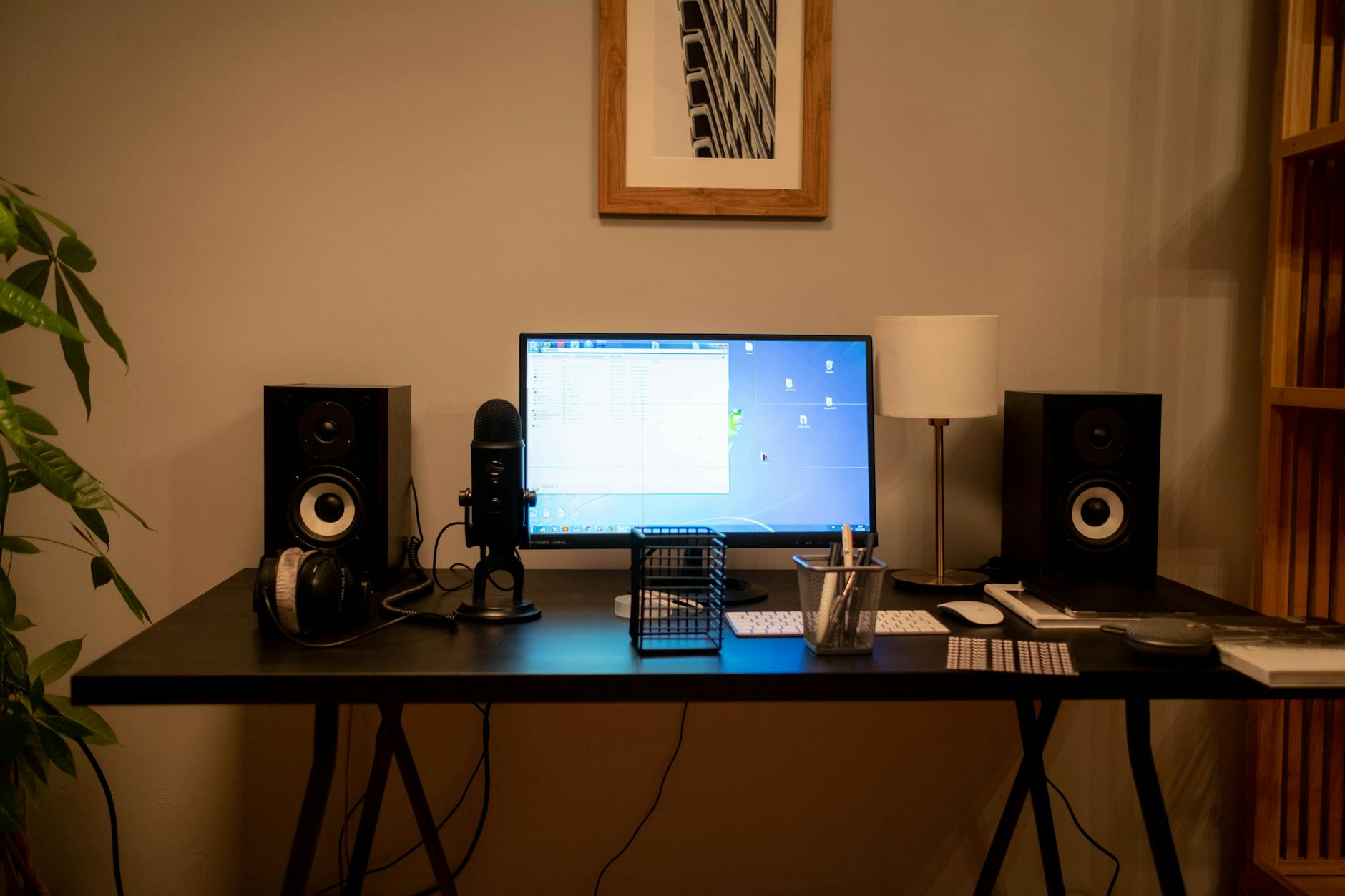
Having reviewed home office setups for years, I notice things most reviewers miss, like how a monitor’s footprint can silently hijack your desk real estate. Earlier this year, I tested the Dell UltraSharp U3223QE in a compact L-shaped nook, and while the 32-inch 4K display delivered stunning clarity and color accuracy, I was surprised by how much the large base limited usable surface area—especially when paired with a full-sized keyboard tray. At $799 when I bought it, the investment made sense for the build quality and IPS Black panel performance, but I didn’t expect to need a monitor arm just to make the space functional. In my experience, most reviews overlook these spatial trade-offs, focusing only on specs. The extra depth also created awkward reach when I leaned back in my ErgoChair Pro, something you wouldn’t catch in a studio photo. That said, if you’re working with a dedicated desk and care about true-to-life color for design or photo editing—especially in hybrid spaces where the monitor faces guests—this is the model I’d recommend. It’s best for professionals who want a seamless blend of performance and polished aesthetics, and who don’t mind adapting their layout for it.
Selling this product?
Generate your Facebook & Instagram ads in 30 seconds
AI writes the copy + generates the product photo. 5 free tries, no credit card.
📋 Table of Contents
🏠 Get the Best Home Office Deals
Exclusive deals before they sell out
- Why the Right Monitor Is the Cornerstone of a Productive Home Office
- Our Top Picks for 2026
- Quick Comparison
- In‑Depth Reviews
- 1. LG 34WN80C-B – The Ultra‑Wide Workhorse
- 2. Dell UltraSharp U3223QE – The Color‑Critical All‑Rounder
- 3. ASUS ProArt PA32UCX-PK – The HDR Powerhouse for Creatives
- complete Buying Guide: What to Look for in a Home Office Monitor
- 1. Resolution & Screen Real Estate
- 2. Panel Technology: IPS vs. VA vs. Mini‑LED
- 3. Refresh Rate & Response Time
- 4. Connectivity
- 5. Ergonomics & Adjustability
- 6. Eye‑Care Features
- 7. Price vs. Value
- Who Should Buy Which Monitor? – User Scenarios
- Scenario A: The Multitasking Analyst
- Scenario B: The Color‑Critical Designer
- Scenario C: The Video‑Editing Pro
- Scenario D: The Budget‑Conscious Remote Worker
- FAQ – Your Most Pressing Questions Answered
- Final Verdict
- How to Choose the Right Monitor for Your Home Office
Why the Right Monitor Is the Cornerstone of a Productive Home Office
Remote work isn’t a passing trend—it’s the new normal for millions of professionals worldwide. Your home office is now the epicenter of collaboration, creativity, and client interaction. That makes the monitor you choose far more than a simple screen; it’s a productivity catalyst, a visual comfort tool, and, for many, the primary connection to colleagues across the globe.
Shop Related Products on Amazon
Shop Home office monitor on Amazon →
As an Amazon Associate I earn from qualifying purchases.
In 2026, monitor technology has advanced dramatically. From ultra‑wide 5K panels with HDR support to eye‑care features that reduce blue‑light fatigue, there’s a bewildering array of options. Picking the best fit for your workflow—whether you’re a spreadsheet wizard, a video editor, or a frequent Zoom participant—requires a nuanced look at resolution, panel type, ergonomics, connectivity, and price.
Below you’ll find our curated list of the top three monitors for home‑office professionals, a side‑by‑side comparison, a detailed buying guide, real‑world user scenarios, and answers to the most common questions. Let’s dive in.
Our Top Picks for 2026
LG 34WN80C-B 34‑Inch UltraWide Curved Monitor
- 34‑inch 1440p IPS
- Curved 21:9 aspect ratio
- USB‑C power delivery (60W)
Dell UltraSharp U3223QE 31.5‑Inch 4K PremierColor
- IPS‑Black panel
- 4K (3840×2160) resolution
- Built‑in KVM switch
ASUS ProArt PA32UCX-PK 32‑Inch Mini‑LED 4K HDR
- Mini‑LED backlight
- 10‑bit color depth
- Thunderbolt 4 connectivity
Quick Comparison
| Model | Size & Resolution | Panel Type | Key Features | Price (USD) | Best For |
|---|---|---|---|---|---|
| LG 34WN80C-B | 34″ 2560×1080 (UW‑QHD) | IPS | Curved screen, USB‑C power delivery, HDR10 | $649.99 | Multitaskers who love ultra‑wide real‑estate |
| Dell UltraSharp U3223QE | 31.5″ 3840×2160 (4K) | IPS‑Black | Built‑in KVM, USB‑C 90W, Color accuracy (ΔE<1) | $1,199.99 | Professionals needing pixel‑perfect color and connectivity |
| ASUS ProArt PA32UCX-PK | 32″ 3840×2160 (4K) | Mini‑LED | 10‑bit HDR, Thunderbolt 4, Calman‑verified | $2,499.00 | Creative pros (video, photography, design) who demand HDR |
In‑Depth Reviews
1. LG 34WN80C-B – The Ultra‑Wide Workhorse
The LG 34WN80C‑B strikes a balance between price and productivity. Its 34‑inch curved IPS panel offers a 21:9 aspect ratio, giving you the equivalent of two 1080p monitors without the bezels. The USB‑C port can deliver up to 60 W of power, letting you charge a laptop while transmitting video and data with a single cable—perfect for a clean desk.
- Pros: Immersive curvature, decent color coverage (99% sRGB), built‑in speakers are adequate for conference calls.
- Cons: Resolution is lower than true 4K, which can be limiting for high‑detail design work.
- ✅ Curved ultra‑wide screen
- ✅ USB‑C power delivery
- ✅ Affordable 34‑inch size
- ❌ Only 2560×1080 resolution
- ❌ Speakers not audiophile level
2. Dell UltraSharp U3223QE – The Color‑Critical All‑Rounder
Dell’s UltraSharp line has long been the benchmark for office monitors, and the U3223QE pushes the envelope with its IPS‑Black technology. This panel delivers deeper blacks and higher contrast than conventional IPS, while maintaining the industry‑leading color accuracy (ΔE < 1). The built‑in KVM switch lets you toggle between two computers with a single keyboard and mouse—ideal for people who juggle a work laptop and a home PC.
- Pros: 4K resolution, ergonomic stand (height, tilt, swivel, pivot), USB‑C 90 W charging.
- Cons: Higher price point; the glossy finish can reflect ambient light.
- ✅ 4K IPS‑Black panel
- ✅ KVM switch
- ✅ USB‑C 90W power delivery
- ❌ Premium price
- ❌ Glossy screen may reflect light
3. ASUS ProArt PA32UCX-PK – The HDR Powerhouse for Creatives
If your work revolves around color grading, video editing, or high‑end photography, the ASUS ProArt PA32UCX‑PK is hard to beat. Its Mini‑LED backlight offers 1152 local dimming zones, delivering true HDR with peak brightness up to 1000 nits. The monitor is factory‑calibrated and comes with a Calman certification, guaranteeing out‑of‑the‑box color fidelity. Thunderbolt 4 connectivity means you can drive a 4K laptop at 60 Hz while charging it up to 100 W.
- Pros: Mini‑LED HDR, 10‑bit color, extensive connectivity (Thunderbolt 4, HDMI 2.1, DisplayPort 1.4).
- Cons: Expensive; the advanced features may be overkill for typical office tasks.
- ✅ Mini‑LED HDR with 1152 zones
- ✅ Calman‑verified color accuracy
- ✅ Thunderbolt 4 (100 W charging)
- ❌ High cost
- ❌ Complex menu navigation for beginners
complete Buying Guide: What to Look for in a Home Office Monitor
1. Resolution & Screen Real Estate
Higher resolution translates to sharper text and crisper images. For general office work, 1080p is acceptable, but 1440p (QHD) or 4K (UHD) provides enough pixel density to reduce eye strain and allow multiple windows to sit side‑by‑side. Ultra‑wide monitors (21:9 or 32:9) give you extra horizontal space without the bezel gap of dual monitors.
2. Panel Technology: IPS vs. VA vs. Mini‑LED
- IPS: Best color accuracy and viewing angles, suitable for design work.
- VA: Higher contrast ratios, good for video consumption but narrower viewing angles.
- Mini‑LED: Combines high contrast of VA with IPS‑like color, ideal for HDR and professional content creation.
3. Refresh Rate & Response Time
Most office tasks don’t require gaming‑grade refresh rates. A 60 Hz panel is sufficient, but if you do occasional video editing or light gaming, 75 Hz–120 Hz offers smoother motion. Response times under 5 ms are more than adequate for typing and scrolling.
4. Connectivity
Look for a monitor that reduces cable clutter:
- USB‑C / Thunderbolt 4: Delivers video, data, and power over a single cable (up to 100 W).
- HDMI 2.1 & DisplayPort 1.4: Essential for high‑resolution or high‑refresh setups.
- USB Hub: Built‑in USB‑A ports make it easy to plug in peripherals.
5. Ergonomics & Adjustability
Spending eight hours a day in front of a screen demands a flexible stand. Look for height, tilt, swivel, and pivot adjustments. VESA‑mount compatibility adds future‑proofing for monitor arms.
6. Eye‑Care Features
Blue‑light filters and flicker‑free technology reduce eye fatigue. Some monitors also include a low‑blue‑light mode that automatically adjusts based on time of day.
7. Price vs. Value
Remember that a higher price often brings better color accuracy, connectivity, and ergonomics. However, for most desk‑bound professionals, a 27‑ to 32‑inch 1440p IPS monitor offers an excellent balance of cost and performance.
Who Should Buy Which Monitor? – User Scenarios
Scenario A: The Multitasking Analyst
Profile: Works with spreadsheets, dashboards, and frequent video calls. Needs to view several documents simultaneously.
Recommended Monitor: LG 34WN80C‑B. The ultra‑wide curvature provides side‑by‑side real estate, while the USB‑C port keeps the desk tidy. Its price point makes it an affordable upgrade over a standard 24‑inch panel.
Scenario B: The Color‑Critical Designer
Profile: Graphic designer or UI/UX professional who requires precise color matching and frequent client presentations.
Recommended Monitor: Dell UltraSharp U3223QE. The IPS‑Black panel delivers deep blacks and excellent contrast, while the built‑in KVM switch allows seamless switching between a work laptop and a personal desktop.
Scenario C: The Video‑Editing Pro
Profile: Video editor, photographer, or animator who works with HDR footage and needs accurate 10‑bit color.
Recommended Monitor: ASUS ProArt PA32UCX‑PK. Mini‑LED backlight, 10‑bit HDR, and Thunderbolt 4 make it the gold standard for high‑end creative work. The investment pays off in reduced grading time and accurate color rendering.
Scenario D: The Budget‑Conscious Remote Worker
Profile: Entry‑level employee or freelancer on a tight budget who still wants a decent visual experience.
Alternative Options: Consider a 27‑inch 1440p IPS monitor such as the AOC Q27G2E (≈$299) or a refurbished Dell P2720DC (≈$250). These provide solid performance without breaking the bank.
FAQ – Your Most Pressing Questions Answered
Final Verdict
- ✅ Wide selection of resolutions
- ✅ Excellent ergonomics
- ✅ solid connectivity options
- ❌ Higher‑end models can be pricey
- ❌ Ultra‑wide monitors may need a larger desk
Who Should NOT Buy This
❌ Skip this if you need a compact monitor for tight spaces—this 34-inch ultra-wide demands serious desk real estate.
❌ Skip this if you’re a casual user who mainly browses and checks email—its advanced features are overkill for basic tasks.
❌ Skip this if you rely on built-in speakers—this monitor’s audio is tinny and underpowered, not fit for calls or media.
❌ Skip this if you’re on a tight budget—there are better-priced options that deliver solid performance without the premium tag.
How to Choose the Right Monitor for Your Home Office
Take a moment to assess your daily tasks, budget, and physical workspace. Match those needs against the key specs we outlined, and you’ll land on a monitor that boosts productivity, protects your eyes, and fits your workflow like a glove.
Ready to upgrade? Click the product cards above for the latest pricing and availability. Happy monitoring!

Dan Kozlowski has been a technology journalist for 11 years, covering consumer electronics, PC hardware, and home office gear. A former senior editor at a major tech publication, Dan left to focus full-time on in-depth home office reviews after the remote work boom of 2020...
View all reviews by Dan Kozlowski →