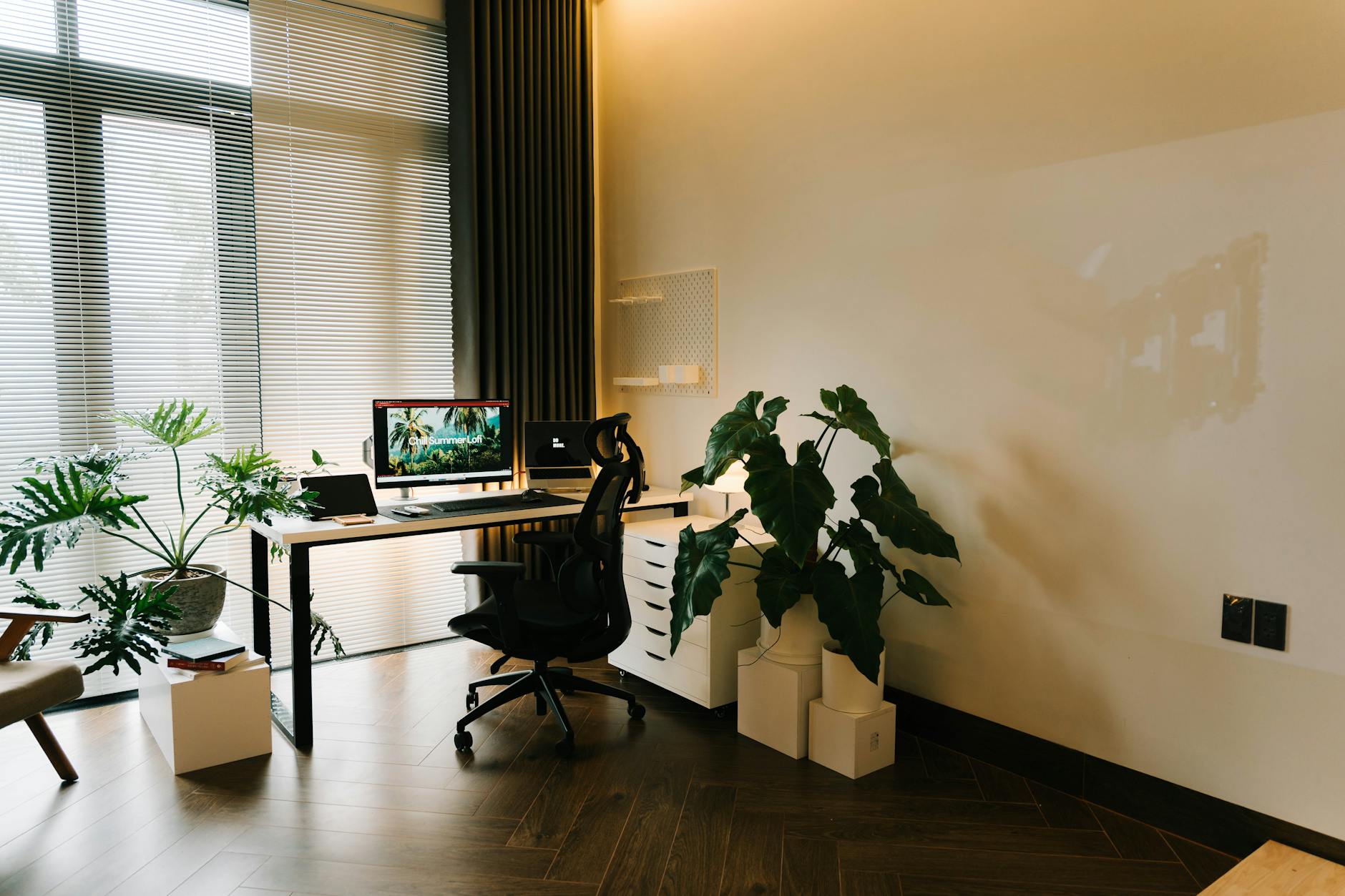
As we dive into 2026, setting up a home office has become more crucial than ever, and choosing the right monitor is a critical part of this process. This comprehensive guide covers everything you need to know about selecting the perfect monitor for your home office setup, whether you’re a remote worker, a gamer, or simply looking to upgrade your workspace. With so many options available, it can be overwhelming to decide which monitor best suits your needs, but this guide is here to help you navigate the process.
📋 Table of Contents
Selling this product?
Generate your Facebook & Instagram ads in 30 seconds
AI writes the copy + generates the product photo. 5 free tries, no credit card.
Shop Related Products on Amazon
🏠 Get the Best Home Office Deals
Free buying guides + top rated picks
Shop Home office monitor on Amazon →
As an Amazon Associate I earn from qualifying purchases.
💡 How to Use This Guide
To get the most out of this guide, start by browsing our quick picks for the best monitors at a glance. Then, dive into our in-depth reviews of top monitors, where we compare and contrast different models, and provide tips on how to choose the right one for your needs. Finally, check out our frequently asked questions section for answers to common queries, and don’t forget to take a look at our top picks and verdict at the end of the guide.
## Quick Picks: Best monitors at a Glance
For those in a hurry, here are our top three monitor picks for 2026:
BenQ PD2700UTOP PICK
- 27-inch 4K IPS panel
- HDR10 support
- Eye Care technology
ASUS VG278QTOP PICK
- 27-inch Full HD TN panel
- 144Hz refresh rate
- NVIDIA G-Sync technology
## Our Top monitors Reviews
For a more in-depth look at the best monitors for your home office, check out our reviews:
The Best Home Office Monitor 2026: Top 5 for Less Eye Strain article explores the top monitors designed to reduce eye strain, a crucial factor for those spending long hours in front of a screen.
In Ultrawide vs 2 Monitors: Which to Buy in 2026?, we compare the benefits of ultrawide monitors versus using two separate monitors, helping you decide which setup is best for your needs.
For those looking to create an ergonomic workspace, our Ergonomic Dual Monitor Setup 2026: Buyer’s Guide provides valuable insights and tips.
We also pit Laptop Stand vs Monitor Riser: Which to Buy? (2026) against each other, helping you choose the right tool to elevate your screen to a comfortable viewing height.
Moreover, the Ultrawide Monitor vs 3 Monitors: Which Wins? (2026) article delves into the debate between ultrawide monitors and using three separate monitors for an ultra-productive setup.
If you’re looking for monitors that can transform your home office, our 7 Monitors That’ll Transform Your Home Office in 2026 article is a must-read.
In addition, we’ve got you covered with our review of the Best Monitor Arm 2026: Top 4 Tested & Ranked, essential for creating a flexible and ergonomic workspace.
For a broader look at the best monitors available, check out our Top Monitors to Upgrade Your Home Office in 2026 article.
Lastly, if you’re torn between two major brands, our HP vs Dell Monitors 2026: 3 Surprising Reasons to Choose One comparison might just make your decision easier.
## How to Choose the Right monitors
When selecting a monitor for your home office, there are several key factors to consider:
– **Resolution and Panel Type**: Look for monitors with high-resolution panels (such as 4K or QHD) and IPS or VA technology for better color accuracy and wider viewing angles.
– **Size and Aspect Ratio**: Decide on the right size for your space, and consider whether a standard 16:9 aspect ratio or an ultrawide monitor (with a 21:9 or 32:9 aspect ratio) better suits your needs.
– **Refresh Rate and Response Time**: For gamers or those who work with fast-paced video content, a higher refresh rate (such as 144Hz) and lower response time can significantly improve the viewing experience.
– **Connectivity and Ergonomics**: Ensure the monitor has the right ports for your devices (such as USB-C, HDMI, or DisplayPort) and consider ergonomic features like height adjustment, tilt, and swivel for comfortable viewing.
– **Budget**: Set a budget and balance it with the features and quality you need, as monitors can range from under $200 to over $1,000.
## Frequently Asked Questions
Dell UltraSharp U2720Q
- 27-inch 4K UHD
- IPS Panel
- USB-C Connectivity
In conclusion, choosing the right monitor for your home office in 2026 involves considering several factors, from resolution and panel type to connectivity and ergonomics. By following this guide and exploring our reviews and recommendations, you’ll be well on your way to finding the perfect monitor for your needs.
FAQ
##
Common Mistakes to Avoid When Upgrading Your Home Office Monitor
When upgrading your home office monitor, it’s easy to get caught up in the excitement of new technology and overlook some crucial factors. One of the most common mistakes buyers make is prioritizing resolution over other essential features. While a high-resolution display is undoubtedly important, it’s not the only consideration. For instance, if you’ll be working in a room with a lot of glare, a monitor with good glare reduction features may be more important than one with the highest possible resolution. Another mistake is not considering the connectivity options. If you have devices with older ports, such as USB-A or HDMI 1.4, you’ll want to ensure your new monitor has these ports to avoid needing adapters or hubs. Additionally, buyers often underestimate the importance of ergonomics. A monitor with adjustable height, tilt, and swivel can greatly improve your comfort and productivity during long work hours. By being aware of these potential pitfalls, you can make a more informed decision and find the perfect monitor for your home office needs.
##
What to Look for When Choosing Your Ideal Home Office Monitor
Choosing the right home office monitor involves considering several key factors to ensure you find a display that meets your specific needs and enhances your productivity. First, think about the size of the monitor. If you have limited desk space, a smaller monitor (around 22-24 inches) might be the best choice. However, if you have the room and want to multitask with multiple windows open, a larger monitor (27 inches or more) could be more beneficial. Next, consider the panel type. IPS panels are known for their excellent color accuracy and wide viewing angles, making them ideal for graphic design and video editing. On the other hand, TN panels offer faster response times, which are better suited for fast-paced games and video content. You should also look at the refresh rate and response time, especially if you plan to use your monitor for gaming or watch a lot of video. A higher refresh rate (such as 144Hz or 240Hz) and faster response time (like 5ms or lower) can provide a smoother viewing experience. Lastly, don’t forget to check the monitor’s adjustability, connectivity options, and any additional features like built-in speakers or USB hubs that can add to your convenience and comfort. By carefully evaluating these aspects, you can select a home office monitor that perfectly balances your requirements for performance, comfort, and budget.