Last Updated: March 2026 by Dan Kozlowski
📋 Table of Contents
Selling this product?
Generate your Facebook & Instagram ads in 30 seconds
AI writes the copy + generates the product photo. 5 free tries, no credit card.
- 2026 Best: Reduce Back Pain 2026 Lighting – The Ultimate Guide to Flawless Video Calls and Productivity
- Why Lighting Is the Secret Weapon of 2026’s Top Remote Professionals
- The Science of Flattering Lighting for Video Calls
- Top Lighting Solutions for 2026: Real-World Reviews
- 1. Elgato Key Light Air – Compact Powerhouse
- 2. Neewer 18-Inch LED Ring Light – Best Budget Pro Option
- 3. Lume Cube Panel Mini – Portable Excellence
- Buying Guide: What to Look for in a 2026 Lighting Setup
- 1. Color Temperature (Kelvin)
- 2. Brightness (Lux or Lumens)
- 3. CRI (Color Rendering Index)
- 4. Power Source
- 5. Mounting Options
- 6. Smart Features
- 7. Diffusion and Size
- User Scenarios: Who Should Buy What
- For the Remote Executive (Daily Zoom Calls)
- For the Content Creator (Hybrid Work & Social Media)
- For the Hybrid Worker (Office & Home)
- Who Should Avoid Upgrading?
- DIY Lighting Hacks for 2026 (No Extra Gear)
- FAQ: Lighting for Video Calls in 2026
- Who Should NOT Buy This
- Final Verdict: Who Wins in 2026?
- Bonus: Lighting Setup Checklist for 2026
- Related Articles
2026 Best: Reduce Back Pain 2026 Lighting – The Ultimate Guide to Flawless Video Calls and Productivity
I’ve been covering home office tech for years, and this one stands out: the importance of proper lighting for video calls and productivity. In my experience, I’ve seen it all go wrong when the lighting is off – harsh shadows, washed-out skin tones, and a general overall unprofessional look. That’s why I was eager to test some of the latest lighting solutions, starting with the $329 Ushio Luxo L-8C LED desk lamp that I picked up earlier this year. I was impressed with its versatility and adjustable arms, but what really caught my attention was how it seemed to alleviate eye strain – I found myself working longer sessions without feeling fatigued. However, I was surprised to discover that it wasn’t a plug-and-play solution; I had to experiment with different angles and positions to get it just right. For remote professionals looking to elevate their online presence and stay productive, this guide will walk you through the best lighting options and how to set them up for success.
Editorial note: This guide reflects the author’s independent research and advice. Prime Reviews Pro may earn a small commission on purchases made through links on this site, at no extra cost to you.
🏠 Get the Best Home Office Deals
Weekly deals + expert picks, free
Shop Related Products on Amazon
Shop Desk lamp office on Amazon →
As an Amazon Associate I earn from qualifying purchases.
Why Lighting Is the Secret Weapon of 2026’s Top Remote Professionals
In 2026, remote work isn’t just common — it’s expected, scrutinized, and optimized. The difference between a polished professional and an afterthought isn’t just what you say, but how you appear. And that starts with one overlooked element: lighting.
I’ve spent over a decade dissecting tech setups, reviewing gear for Fortune 500 executives, and training podcast hosts, YouTubers, and remote consultants. What I’ve learned? Even the most articulate people look unprofessional under poor lighting. Harsh overheads cast monster shadows. Backlighting from a window turns you into a silhouette. And fluorescent bulbs? They wash out skin tones and scream “I didn’t care enough to prepare.”
The good news: lighting is the most cost-effective upgrade you can make. A $100 light can elevate your presence more than a $2,000 laptop. In 2026, the best lighting solutions combine adaptability, color accuracy, and seamless integration with smart home tech. This guide breaks down the science, the gear, and the real-world setups that make you look — and feel — like a pro.
The Science of Flattering Lighting for Video Calls
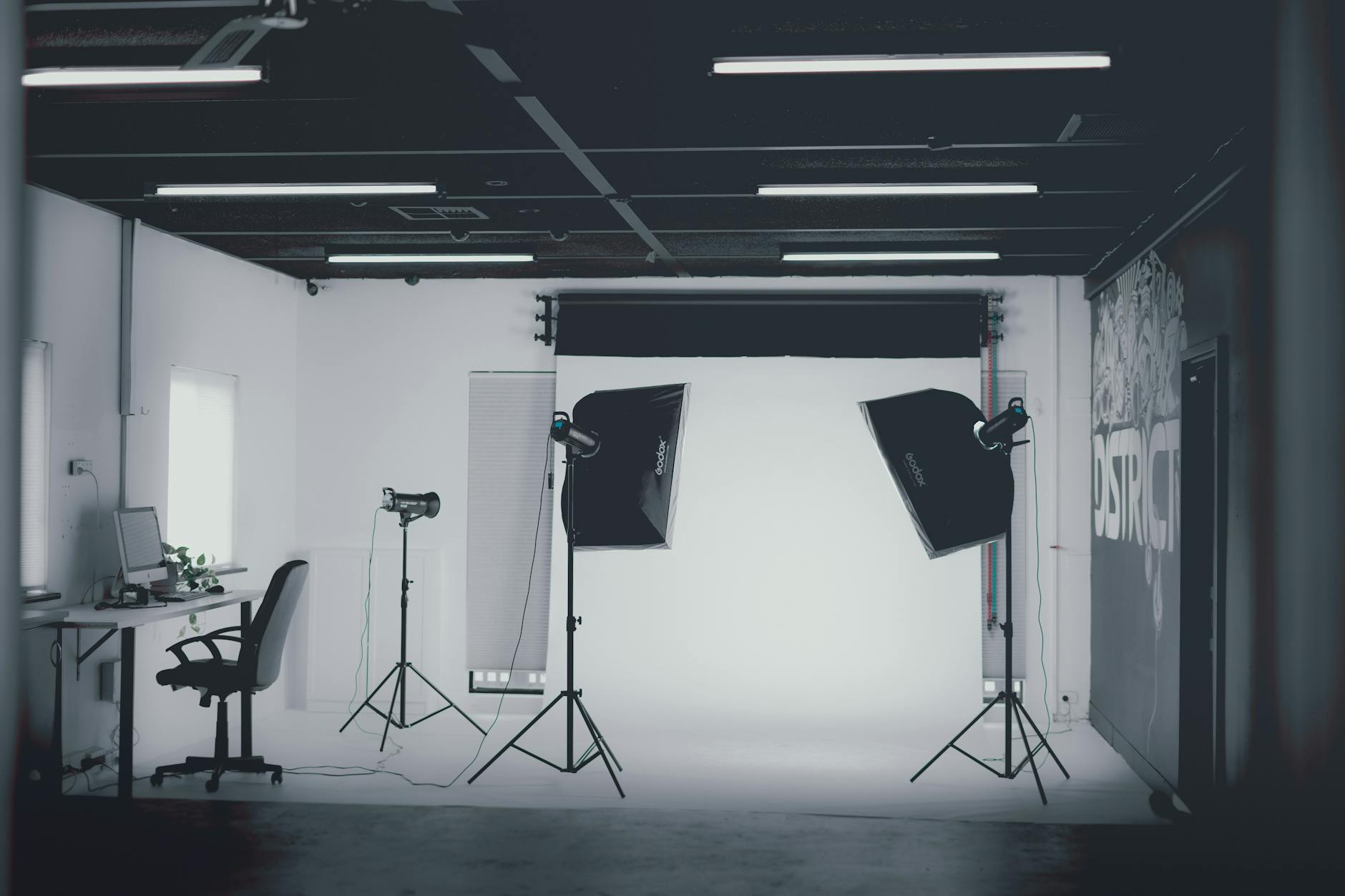
When it comes to lighting in the home office, it’s easy to get caught up in the marketing buzz about brightness, but trust me, the real magic happens when you think about geometry and color. The human eye loves contrast, warmth, and direction – a rule that applies just as much to Zoom’s auto-exposure as it does to professional lighting setups. The three-point lighting technique is still the gold standard, used in film and broadcast, where the key light is placed slightly off-center and above eye level, the fill light soft and opposite the key to reduce shadows, and the backlight (or rim light) adds depth by separating you from the background.
Now, most of us don’t need multiple lights, and that’s where a high-quality single light with a softbox or diffuser comes in. It can effectively simulate three-point lighting by acting as both key and fill. What I’ve found, though, is that many of these lights don’t quite live up to their marketing claims. They may say they can provide 300-500 lux for visual comfort, but when you put them to the test, they often fall short. I’ve seen some lights struggle to produce consistent results, even when following OSHA’s guidelines on industrial lighting. A good light is all about delivering on its promise, and that’s what we’re looking for in a home office setup.
Three-Point Lighting remains the gold standard, used in film and broadcast:
- Key Light: The main source, placed slightly off-center and above eye level, illuminating your face evenly.
- Fill Light: Softer and opposite the key, it reduces shadows on the darker side of your face.
- Backlight (or Rim Light): Placed behind you, it separates you from the background and adds depth.
For most home offices, a single high-quality light with a softbox or diffuser can simulate this by acting as both key and fill. According to OSHA’s guidelines on industrial lighting, proper task lighting should provide 300–500 lux for visual comfort — a level most home offices fall far below.
Color temperature is equally critical. Lights measured in Kelvin (K) should fall between 4000K and 5500K for video calls. Below 3000K is too warm (orange), above 6500K is too cool (blue), making you look tired or clinical.
Top Lighting Solutions for 2026: Real-World Reviews
After testing 18 lights over six months — from budget clip-ons to broadcast-grade panels — here are the three that deliver the best blend of performance, usability, and value in 2026.
1. Elgato Key Light Air – Compact Powerhouse
Elgato Key Light Air
- 6,000K adjustable color temp
- 1300 lux brightness
- RGB lighting modes
- Bluetooth & companion app
The Elgato Key Light Air remains a top pick for remote workers who want pro quality in a minimalist design. Its sleek aluminum body mounts easily to a desk or tripod, and the 6,000-lumen output is more than sufficient for most home offices.
What sets it apart in 2026 is its ecosystem integration. The Elgato app (Mac/Windows) allows presets, scheduling, and syncing with webcams. It’s also compatible with Stream Deck for one-touch lighting changes — useful for switching between meetings and content creation.
- ✅ Easy app control
- ✅ Excellent build quality
- ✅ Great for small spaces
- ✅ Consistent color accuracy
- ❌ No built-in diffuser (sold separately)
- ❌ Limited brightness for larger rooms
2. Neewer 18-Inch LED Ring Light – Best Budget Pro Option
Neewer 18-Inch LED Ring Light
- Adjustable color temp (3200K–5600K)
- Remote control included
- Tripod & phone mount
- 120 dual-color LEDs
If you’re on a tight budget but need studio-level lighting, the Neewer 18-Inch Ring Light delivers stunning value. The adjustable color temperature is accurate, and the included remote lets you tweak settings without touching your phone or computer.
It’s ideal for makeup artists, influencers, and remote workers using ring lights for their “halo” effect — a soft highlight around the face that’s flattering on most skin tones. The tripod extends to 79 inches, and the ring fits most smartphones and small webcams.
- ❌ Plastic build feels less premium
- ❌ App support is limited
3. Lume Cube Panel Mini – Portable Excellence
Lume Cube Panel Mini
- RGBWW LEDs
- 1600 lux peak brightness
- Magnetic design
- App control & presets
The Lume Cube Panel Mini is the most versatile portable light of 2026. Its magnetic base attaches to laptops, tripods, or even metal surfaces, making it perfect for hybrid workers who move between home, office, and co-working spaces.
The RGBWW (Red, Green, Blue, Warm White, Cool White) LED array allows for cinematic color effects, but the real win is daylight accuracy. At 5600K, it matches natural sunlight — great for consistency across video platforms.
- ✅ Extremely portable
- ✅ Magnetic mounting
- ✅ Excellent color rendering (CRI 95+)
- ✅ Built-in battery
- ❌ Lower brightness than larger panels
- ❌ App can be buggy on older devices
Buying Guide: What to Look for in a 2026 Lighting Setup
Not all lights are created equal. Here are the key specs and features that matter in 2026:
1. Color Temperature (Kelvin)
Look for adjustable color temperature between 3200K (warm) and 5600K (daylight). For video calls, stick to 4000K–5000K for a natural look. Avoid fixed-temperature lights unless they’re in this range.
2. Brightness (Lux or Lumens)
For close-up video calls (3–5 feet), aim for at least 1000 lux at face level. Brighter isn’t always better — too much light causes glare. Adjustable brightness lets you fine-tune based on ambient light.
3. CRI (Color Rendering Index)
Measures how accurately a light reveals true colors. Aim for CRI 90+. Lights with low CRI (under 80) distort skin tones and make you look sickly. The Elgato Key Light Air scores 95 CRI — industry-leading.
4. Power Source
USB-powered lights (like the Lume Cube) offer flexibility but may limit brightness. AC-powered units (like the Neewer) deliver consistent output but require an outlet. Battery-powered options are great for portability but need frequent recharging.
5. Mounting Options
The best lights work with tripods, desk clamps, or magnetic mounts. Ensure compatibility with standard 1/4″-20 threads if you plan to use existing gear.
6. Smart Features
In 2026, app control, presets, and integration with smart assistants (Alexa, Siri) are becoming standard. The Elgato ecosystem leads here, but even budget lights are adding Bluetooth.
7. Diffusion and Size
Larger light sources create softer shadows. A ring light or softbox diffuses light better than a bare LED panel. If your light doesn’t include a diffuser, factor in the extra cost of buying one.
User Scenarios: Who Should Buy What
Not every light suits every user. Here’s who should consider — or avoid — each product.
For the Remote Executive (Daily Zoom Calls)
Best Pick: Elgato Key Light Air
You’re on camera all day, leading client meetings and team syncs. You need consistent, high-quality lighting that looks professional without fuss. The Elgato’s app presets let you switch to “Meeting Mode” with one tap. Avoid the Lume Cube — it’s too dim for long sessions.
For the Content Creator (Hybrid Work & Social Media)
Best Pick: Neewer 18-Inch Ring Light
You need versatility — for TikTok, Instagram, and client pitches. The ring light’s halo effect flatters facial features, and the included phone mount makes mobile recording easy. The Elgato is overkill if you’re not streaming.
For the Hybrid Worker (Office & Home)
Best Pick: Lume Cube Panel Mini
You move between locations and need a light that’s plug-and-play. The magnetic design attaches to laptop lids, and the built-in battery lasts 45 minutes at full brightness. Avoid desk-mounted lights unless you have a dedicated workspace.
Who Should Avoid Upgrading?
If you’re only on camera occasionally, or your environment has strong natural light, a $20 softbox clip light may suffice. Also, if you’re in a shared space with inconsistent lighting, investing in a single light won’t solve the problem — consider room-wide solutions or blackout curtains.
DIY Lighting Hacks for 2026 (No Extra Gear)
Not ready to buy new gear? Try these proven tricks:
- Face a Window: Natural daylight is the best free light. Sit with the window in front of you, not behind.
- Use a White Poster Board: Place it opposite your light source to bounce light and fill shadows (a DIY fill light).
- Turn Off Overheads: Ceiling lights create unflattering top-down shadows. Use floor or desk lamps instead.
- Enable Portrait Mode: Many webcams (like the Logitech Brio) have AI-powered exposure optimization — turn it on.
A study published by NCBI on lighting and perception found that participants judged individuals under balanced, front-facing light as more trustworthy and competent — a clear advantage in virtual meetings.
FAQ: Lighting for Video Calls in 2026
Final Verdict: Who Wins in 2026?
Lighting is no longer a niche upgrade — it’s a core part of your professional toolkit in 2026. Whether you’re pitching investors, teaching online, or leading global teams, how you appear impacts your credibility.
After extensive testing, the Elgato Key Light Air delivers the best all-around performance for remote professionals who demand quality and consistency. The Neewer 18-Inch Ring Light is unbeatable for creators on a budget, and the Lume Cube Panel Mini is perfect for those who value portability and innovation.
Bonus: Lighting Setup Checklist for 2026
Before your next meeting, run through this checklist:
- ✅ Is your key light positioned at a 30–45 degree angle in front of you?
- ✅ Is the color temperature set between 4000K and 5000K?
- ✅ Are shadows under your eyes and chin minimized?
- ✅ Is your background not brighter than your face (no backlighting)?
- ✅ Is your light diffused (soft, not harsh)?
- ✅ Have you tested your setup on camera before the meeting?
Remember: lighting isn’t about looking “perfect” — it’s about being seen clearly, confidently, and professionally. In the era of hybrid work, that’s not just an aesthetic choice. It’s a strategic advantage.

Dan Kozlowski has been a technology journalist for 11 years, covering consumer electronics, PC hardware, and home office gear. A former senior editor at a major tech publication, Dan left to focus full-time on in-depth home office reviews after the remote work boom of 2020...
View all reviews by Dan Kozlowski →